




























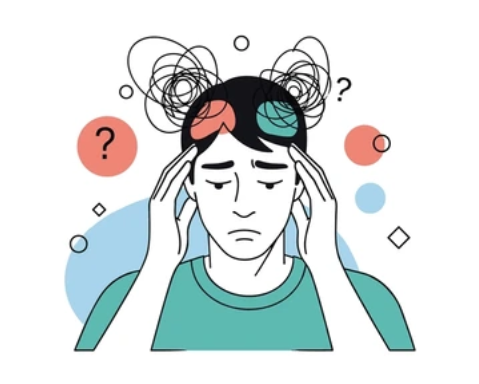






A blank document. An untouched assignment. A ticking clock. Minutes turn into hours, hours turn into days, and before long, the deadline feels too close for comfort. Nearly every student has experienced the battle of procrastination. However, it is crucial to realize that for most students, procrastination is not a matter of laziness, but a “tug-of-war” between motivation and distraction.
The Psychology Behind Procrastination
Procrastination occurs for many reasons. Often, students feel that the task at hand is too big to begin or too tedious to enjoy, and when faced with a task that appears difficult and time consuming, the brain naturally seeks the comfort of easier, more enjoyable activities. For this reason, checking messages, scrolling through social media, or even cleaning out a closet can feel more appealing than starting an assignment.
In many cases, students also procrastinate when feeling overwhelmed or unsure of where to begin. With so many assignments, extracurricular activities and general tasks competing for attention, it can be difficult to focus solely on one task. Thus, what begins as a short delay can quickly spiral into a stressful rush to finish everything at once. Yet, this frustrating pattern is a normal part of how people process pressure, and can be managed.
A Normal Part of Productivity
Despite its bad reputation, procrastination is not always a sign of laziness. It is a normal response to stress, fatigue or perfectionism. Every student occasionally delays work to clear their mind or re-gain energy. Consequently, taking the time to pause can even improve focus once work begins again. Instead of viewing it as a personal flaw, it helps one to see procrastination as a signal of mental overload—a reminder to take a step back, organize their priorities, and regain energy before continuing.
Student Reflection
The first step to overcoming procrastination is breaking large tasks into smaller, more manageable pieces. Large projects appear intimidating until they are divided into steps that feel achievable. Simply writing a few sentences, reading one section, or outlining ideas can make an assignment less daunting.
Next, set earlier deadlines to stay ahead of schedule. Sophomore, Soumya Choudhary, shared how this technique has helped maintain motivation.
“When deadlines start to feel overwhelming, I like to set my own deadlines a few days earlier than an assignment’s due date, which reduces the chance that I will leave it until the last minute. I also try to make a schedule for each day and stay organized so I can manage my time better and keep track of what I need to do,” explained Choudhary.
Strategies for Success
- Eliminating Distractions: Turning off notifications, using “Do Not Disturb” mode or working in a quiet environment limits the temptation to resort to social media when one’s focus starts to wander.
- Using the Two-Minute Rule: If a task takes longer than two minutes—such as replying to an email or organizing notes—complete it immediately. Completing small tasks first builds momentum and motivation for larger tasks.
- Using the Pomodoro Method: Working for long hours often leads to burnout. However, breaking up work into 25-minute intervals, or “pomodoros,” separated by 5-minute breaks ensures students can stay focused and motivated.
- Reward Progress: Motivation often grows when progress is rewarded. Taking a short walk, enjoying a snack or listening to music after completing a task are great methods to reinforce productivity.
- Rest is Key: Fatigue is one of the largest causes of procrastination. Getting sufficient sleep allows the mind to recharge, reducing the likelihood to avoid challenging work and procrastination as whole.
Looking Forward
Evidently, procrastination is a natural part of the workcycle, not a failure of character. Everyone struggles to start working sometimes, however, it is crucial to recognize that progress does not come from guilt, but from self-awareness. By breaking down work into manageable steps, minimizing distractions, taking breaks and rewarding consistency, students can maintain motivation. Remember, the goal is not perfection; it is steady improvement. Each task completed on time, no matter how small, should be a quiet victory over one’s hesitation, and a reminder that getting started is always the hardest, yet the most important step for success.