




















Across the country, schools are quietly becoming battlegrounds over history.
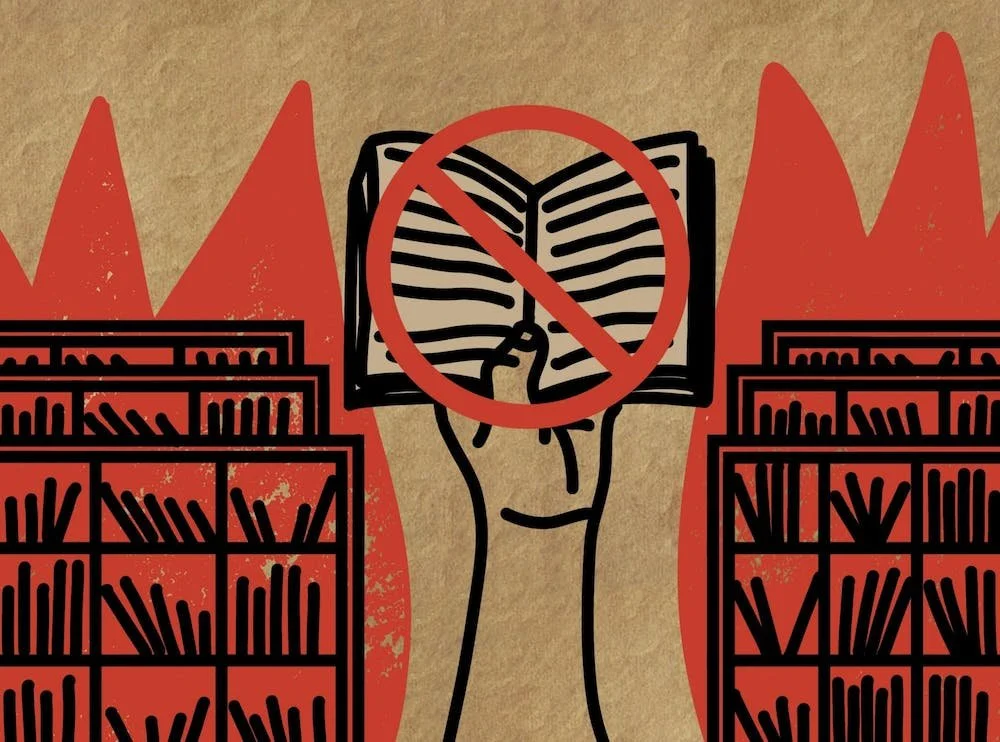
Books are being banned from library shelves, lessons about gruesome topics such as slavery and genocides are softened or cut, and teachers are warned to avoid “controversial” topics involving politics. Supporters say these changes protect the youth; in reality, they do the opposite. Disengaging these crucial topics erases the past and leaves students less prepared to understand the world around them.
Education is implemented to expand knowledge, not limit it. When schools censor difficult history, whether that means minimizing slavery, avoiding discussions of civil rights, or banning novels that challenge authority, they engineer a version of the past that is incomplete and misleading. Students cannot think critically if they are only allowed to see one side of the story. Shielding them from uncomfortable truths doesn’t build resilience; it builds ignorance.
History is not always pleasant, but it is necessary. Learning about injustice, prejudice, fascism, and past mistakes helps students recognize these patterns and avoid repeating them. Without that context, young people lose the tools they need to question power and advocate for change. A democracy depends on informed citizens, not sheltered ones.
If we truly want schools to prepare students for the future, we must stop trying to sanitize the past. Education should challenge students to confront reality, ask hard questions, and learn from history.