


























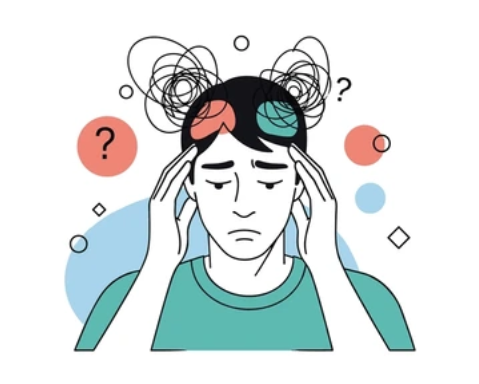





Ask any high school student how they are doing, and the answer is almost always the same: busy. What is strange is that this feeling often lingers even during moments when we are not actively studying, practicing or attending meetings.
A free period, a weekend afternoon or even a break does not always feel restful. Instead, it feels heavy, like there’s something we are forgetting or should be doing.
Unlike previous generations of students, today’s teenagers are rarely ever “off.” Even when we sit down to relax, our minds are still cycling through unfinished assignments, applications, upcoming tests, college deadlines and messages and emails we have not responded to yet. Our phones make sure of that. A single notification can pull us back into school-related stress in seconds, reminding us of something due tomorrow or a responsibility we have not addressed.
Anticipation plays a major role in this exhaustion. Knowing that an essay is due next week or that a test is approaching can weigh just as heavily as actually working on it. This creates a strange paradox: we feel tired before we even begin. As a result, the time that should feel calm instead feels tense, filled with background anxiety rather than rest.
Another factor is the pressure to always be productive. Many students have internalized the idea that free time must be used well. Relaxing without a clear purpose can feel irresponsible, even when rest is necessary. Scrolling through social media, watching a show, or taking a break often comes with guilt and the lingering thought that we should be studying instead. Over time, this guilt makes rest ineffective. We may stop working, but we do not actually recharge.
Constant connectivity amplifies this problem. Group chats buzz with reminders about homework. Teachers post updates online at all hours. College and extracurricular expectations live just a click away. There is no clear boundary between school time and personal time, which makes it difficult for the brain to fully disengage.
This helps explain why students often feel drained even on days when they accomplish little. It is not laziness or poor time management; it is cognitive overload. Our brains are juggling too many open loops at once, and that constant low-level stress is exhausting.
So what can be done? While significant changes take time, awareness is a powerful first step. Recognizing that rest is not the absence of responsibility, but a necessary part of handling it, can help students be kinder to themselves. Setting boundaries, such as silencing notifications for a short period or intentionally scheduling breaks, can also make rest feel more purposeful.
Schools often encourage productivity, achievement, and forward planning. These values matter, but so does teaching students how to mentally unplug.
Feeling busy all the time should not be the norm. Sometimes, the most productive thing a student can do is nothing at all, being guilt-free.