


































As Bridgewater-Raritan High School students start applying for colleges, many pose the question of what to expect and what to be prepared for, since they want the best possible chance of getting into their desired schools. The college admissions process oftentimes causes stress and confusion as students wonder whether or not their application will be good enough. In recent years, many changes have been made as well; so how can seniors prepare for them?
Rising competition & larger applicant pools
The number of applicants for several colleges increases every year, with students applying to an average of 6+ institutions. Public universities seem to be getting more growth than private colleges, and because of this, acceptance rates, especially at selective colleges, are under pressure. What this means for anyone applying is to build a balanced list, make your application stand out, and be realistic about your chances. In portraying yourself as a valuable addition, make sure your application includes strong extracurricular activities from throughout high school.
Standardized testing is re-shifting
During the pandemic, many schools went test-optional, but a number of them are reinstating or tightening requirements for the SAT/ACT. If you’re applying to test-optional institutions, submitting a strong SAT/ACT score can still give you an advantage because admissions offices may see this as a differentiator. However, even though a strong standardized test score may help your application, don’t rely solely on it. Make sure to check each college’s policy carefully and plan your testing timeline early.
Holistic approaches beyond grades
Over the past few years, colleges and universities have started to take a more holistic approach, meaning they don’t just focus on grades when reviewing your application. They also look at essays, extracurriculars, and leadership as well. Colleges might even ask for multimedia components to get an idea of the applicant’s personality. Colleges are choosing a more holistic approach to focus on the clarity of purpose, and to overall see how you’ll contribute to the campus community. What this means for applicants is to work on their personal story as well, not just their academic achievements. Ensure that your interests align with the college and participate in meaningful involvement that would help their campus.
Test-optional doesn’t mean test-irrelevant
Even if the application to a college is test-optional, referring back to standardized testing, applicants who still include their high scores tend to benefit. Demographic shifts and changes in admission strategies and applicant behavior may shift as well. Submitting your strong score can only benefit you, as it might set you apart from other applicants.
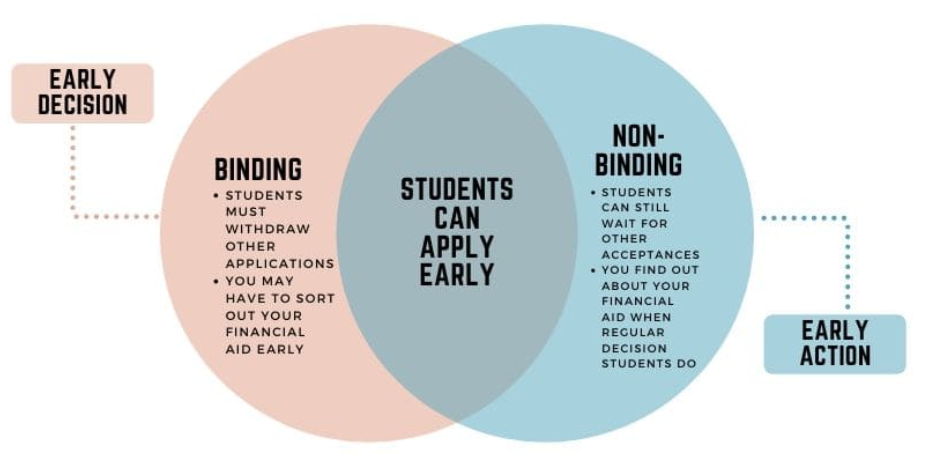
Several aspects of college applications have changed over the years, so to be prepared for how to have a strong application, applicants should plan accordingly. For example, you can start your applications early. Since the regular decision application date is in January, if applicants start preparing now, you can increase your chance of creating a stronger application. Building a balanced list, developing your story, and focusing on other aspects instead of just the academic portion of your application will benefit you as well, as it separates you from the other applicants. Be prepared financially as well, because with the increase in costs and tuition, it’s important to consider all aspects of a college. Good luck to all seniors as they work through the next few months!